
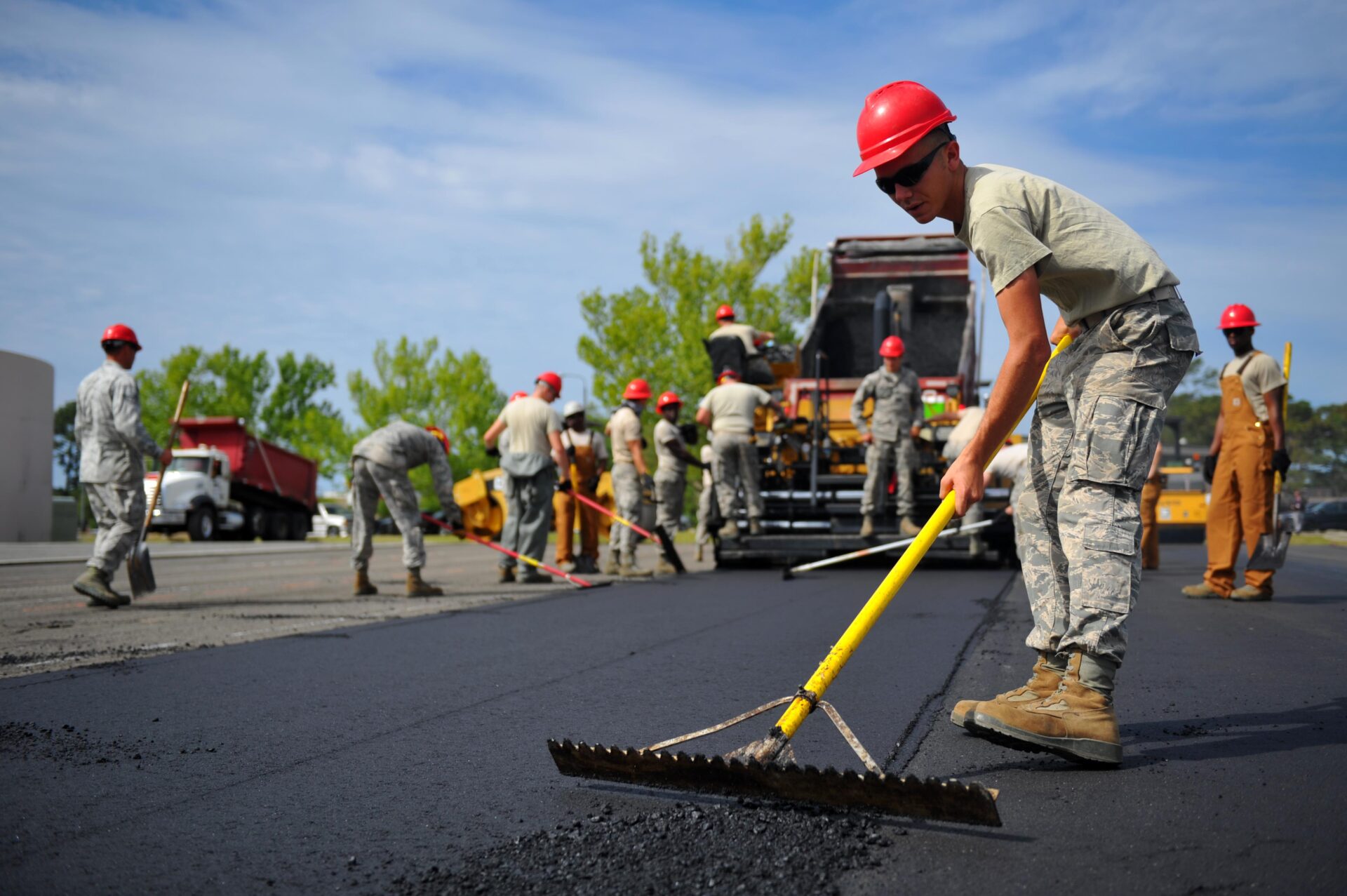
When it comes to maintaining or restoring paved surfaces, asphalt milling has become one of the most effective and sustainable solutions. Whether it’s a cracked roadway, worn-out parking lot, or damaged driveway, this process provides a smooth and strong foundation for new pavement without the need for complete reconstruction. In this blog, we’ll explore what asphalt milling is, its process, benefits, and why it’s the preferred choice for property owners, contractors, and municipalities looking for efficiency and durability.
What Is Asphalt Milling?
Asphalt milling, also known as pavement milling or cold planing, is the process of removing the top layer of an existing asphalt surface to a specified depth. Unlike full-depth replacement, this technique keeps the underlying base intact. After milling, a new asphalt layer is applied over the milled surface, restoring the pavement’s structure, smoothness, and appearance.
This process is performed using specialized milling machines equipped with rotating drums and sharp cutting teeth. These machines precisely grind and remove the damaged surface while collecting the debris for recycling—making it an environmentally friendly solution.
The Asphalt Milling Process
The milling process is systematic and involves several key steps:
- Inspection and Planning
Before milling begins, professionals inspect the pavement to determine the extent of damage, the depth of milling required, and the proper resurfacing plan. This ensures accuracy and cost-efficiency. - Surface Preparation
The work area is cleared of debris and obstacles. Traffic control measures are put in place for safety during milling operations. - Milling the Asphalt
The milling machine grinds the asphalt surface to the desired depth. Depending on the pavement’s condition, the depth can range from 1 inch to several inches. The removed material, known as RAP (Reclaimed Asphalt Pavement), is collected and transported for recycling. - Surface Cleaning
Once the milling is complete, the surface is cleaned thoroughly to remove loose debris, dust, and fine materials. This step ensures proper bonding between the old base and the new asphalt layer. - Resurfacing
A new layer of asphalt is applied and compacted to achieve a smooth, durable finish. The result is a pavement that looks new and performs exceptionally well.
Benefits of Asphalt Milling
1. Cost-Effective
One of the biggest advantages of asphalt milling is cost savings. Since it preserves the existing foundation and only removes the damaged surface layer, it reduces material, labor, and time costs significantly compared to full replacement.
2. Eco-Friendly and Sustainable
Milled asphalt is 100% recyclable. The removed material is processed and reused in new asphalt mixes, minimizing waste and reducing the need for raw materials. This makes milling an environmentally responsible choice for modern construction and road maintenance.
3. Enhanced Surface Quality
Asphalt milling restores surface smoothness and corrects imperfections such as rutting, cracking, and unevenness. It provides a stable base for new paving, which results in improved durability and performance.
4. Quick and Efficient
Compared to traditional reconstruction methods, milling is faster and less disruptive. Roads, driveways, and parking lots can often be reopened within a short time after resurfacing, minimizing downtime for property owners and businesses.
5. Improved Drainage and Slope Correction
Milling allows professionals to adjust pavement slopes and improve drainage. Proper drainage extends pavement life and prevents water-related damage such as potholes and cracks.
Applications of Asphalt Milling
Asphalt milling is versatile and suitable for various applications, including:
- Roadways and Highways: Restoring large sections of road surfaces without full-depth reconstruction.
- Parking Lots: Enhancing commercial parking areas for safety and aesthetics.
- Driveways: Providing homeowners with a cost-effective resurfacing option.
- Airport Runways: Maintaining smooth, even surfaces critical for aircraft operations.
- Municipal Projects: Used by cities and towns for street repairs, curb transitions, and public works improvements.
Why Choose Professional Asphalt Milling Services
While asphalt milling may seem straightforward, it requires precision equipment and skilled operators. Professional contractors use advanced machinery that ensures accurate depth control and even milling. They also follow safety standards and local regulations to deliver high-quality results.
Hiring a reputable paving contractor guarantees:
- Proper project assessment and cost estimation.
- Efficient use of recycled materials.
- Long-lasting, smooth, and durable pavement surfaces.
- Reduced downtime and environmental impact.
Maintenance After Milling and Resurfacing
To maintain the quality and longevity of your new asphalt surface, regular maintenance is essential. Simple steps like routine inspections, sealcoating, and timely crack repairs can extend the pavement’s life and prevent costly future repairs.
Conclusion
Asphalt milling is a smart, sustainable, and cost-efficient method for restoring worn-out pavements. It not only saves money and time but also supports eco-friendly construction practices by recycling materials. Whether you’re managing a large-scale roadway project or improving your commercial parking lot, asphalt milling offers a durable solution that enhances safety, performance, and curb appeal.
By choosing experienced professionals for your asphalt milling and resurfacing needs, you ensure that your pavement investment delivers long-term value and a flawless finish for years to come.