
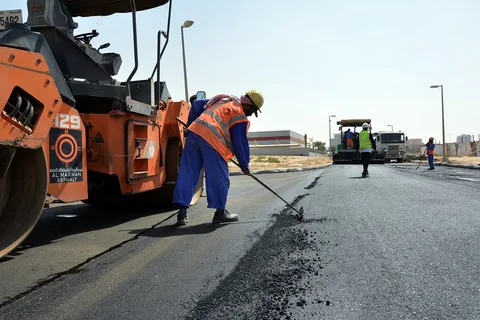
Asphalt roads and driveways experience wear and tear over time due to continuous traffic, weather exposure, and natural aging. Cracks, potholes, and surface deterioration can develop, leading to unsafe and unattractive road conditions. Asphalt resurfacing is an effective and cost-efficient way to restore the integrity of roads, parking lots, and driveways without requiring complete reconstruction. By applying a new layer of asphalt over an existing surface, resurfacing enhances durability, improves aesthetics, and extends the lifespan of the pavement.
Understanding Asphalt Resurfacing
Asphalt resurfacing, also known as overlaying, is the process of applying a fresh layer of asphalt over an existing pavement surface. This method is ideal when the underlying base is still structurally sound but the surface layer has developed cracks, minor potholes, or other forms of distress. Unlike full reconstruction, resurfacing is quicker, more affordable, and environmentally friendly as it reduces the need for new materials.
The Importance of Asphalt Resurfacing
1. Improves Road Safety
Damaged and uneven surfaces pose significant safety hazards to drivers, cyclists, and pedestrians. Cracks, potholes, and surface deterioration increase the risk of accidents, vehicle damage, and tripping hazards. By resurfacing roads and driveways, the surface is restored to a smooth, safe, and even condition, reducing the likelihood of injuries and property damage.
2. Enhances Aesthetic Appeal
Cracked and faded asphalt creates an unkempt appearance that negatively affects curb appeal. Whether it’s a residential driveway, commercial parking lot, or public road, resurfacing improves the overall look of the pavement, making it more visually appealing. A well-maintained surface also adds value to properties and improves public perception.
3. Cost-Effective Solution
Compared to complete pavement replacement, resurfacing is a more affordable solution that extends the life of asphalt surfaces without excessive labor or material costs. By addressing surface-level damage before it worsens, property owners can save money in the long run by avoiding expensive repairs or full reconstruction.
4. Extends Pavement Lifespan
Asphalt resurfacing restores structural integrity and enhances durability, increasing the lifespan of roads and driveways. Regular maintenance combined with resurfacing every 10-15 years can help asphalt surfaces last for decades, providing a reliable and long-term investment.
5. Environmentally Friendly Approach
Resurfacing reduces waste by recycling existing asphalt materials rather than requiring complete removal and disposal. The process minimizes the carbon footprint associated with asphalt production and transportation, making it an eco-friendly alternative to complete reconstruction.
When is Asphalt Resurfacing Needed?
Not all damaged asphalt surfaces require resurfacing. The decision to resurface depends on several factors, including:
- Cracks and Minor Surface Damage: If asphalt has visible cracks but the foundation is intact, resurfacing can effectively restore the surface.
- Potholes and Unevenness: When potholes appear but are not deep enough to compromise the structural integrity, resurfacing can provide a smooth, level surface.
- Aging Pavement: Asphalt typically lasts 15-20 years. If the surface is worn out but still structurally sound, resurfacing is a practical solution.
- Drainage Issues: Poor drainage leading to standing water can accelerate pavement deterioration. Resurfacing can help correct slope and improve drainage.
However, if the base layer is severely compromised, full asphalt replacement may be necessary instead of resurfacing.
The Asphalt Resurfacing Process
1. Surface Preparation
Proper surface preparation is crucial for successful resurfacing. The process begins with a thorough inspection to identify existing issues and ensure the foundation is stable. Any loose debris, dirt, or vegetation is removed, and the surface is cleaned to promote proper adhesion.
2. Repairing Existing Damage
Before applying the new asphalt layer, all cracks, potholes, and surface irregularities must be repaired. Crack sealing and pothole patching ensure a smooth foundation and prevent underlying damage from affecting the new surface.
3. Milling (If Necessary)
In some cases, the top layer of existing asphalt may need to be milled or removed to create a uniform and level surface. Milling helps remove imperfections and ensures the new asphalt layer bonds effectively.
4. Applying the New Asphalt Layer
Once the surface is prepped, a new layer of asphalt is applied using specialized paving equipment. The thickness of the new layer varies based on traffic volume and pavement use, typically ranging from 1.5 to 2 inches for residential driveways and thicker layers for high-traffic roads.
5. Compaction and Finishing
After applying the asphalt, rollers compact the surface to achieve a smooth and even finish. Proper compaction ensures durability and prevents future cracking. Once compacted, the pavement is left to cure before it is open to traffic.
Maintaining Resurfaced Asphalt for Longevity
Regular maintenance is essential to extend the lifespan of resurfaced asphalt. Property owners should follow these maintenance tips:
- Sealcoating: Applying a sealcoat every 3-5 years protects asphalt from oxidation, UV rays, and water penetration.
- Crack Sealing: Promptly filling cracks prevents moisture infiltration and structural damage.
- Proper Drainage: Ensuring proper drainage reduces water-related pavement deterioration.
- Routine Cleaning: Removing debris, oil spills, and standing water helps maintain the surface condition.
- Avoiding Heavy Loads: Minimizing the impact of heavy vehicles reduces premature wear and tear.
Choosing a Professional Asphalt Resurfacing Contractor
Hiring an experienced asphalt resurfacing contractor ensures high-quality results. When selecting a contractor, consider the following:
- Experience and Reputation: Look for contractors with a proven track record and positive customer reviews.
- Licensing and Insurance: Ensure the company is licensed and carries liability insurance.
- Detailed Estimates: Obtain a written estimate that includes all project details and costs.
- Material Quality: Verify that the contractor uses high-quality asphalt materials for durability.
- Warranty and Guarantee: A reputable contractor should offer a workmanship warranty for added peace of mind.
Conclusion
Asphalt resurfacing is an effective way to restore roads, driveways, and parking lots to their optimal condition. It enhances safety, improves aesthetics, extends the pavement lifespan, and provides a cost-efficient alternative to complete replacement. By investing in resurfacing at the right time and following proper maintenance practices, property owners can enjoy smooth, durable, and long-lasting asphalt surfaces. Whether it’s a residential, commercial, or municipal project, professional resurfacing ensures a high-quality finish that withstands the test of time.