
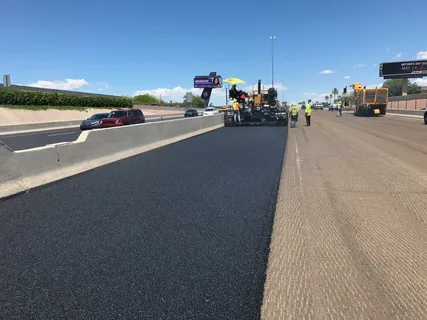
When it comes to building or resurfacing a driveway, homeowners often explore cost-effective and durable solutions. One option that has gained attention in recent years is asphalt milling. But the question arises: does asphalt milling make a good driveway? In this blog, we’ll explore what asphalt milling is, its benefits and drawbacks, and whether it’s a suitable option for your driveway.
What Is Asphalt Milling?
Asphalt milling, also known as cold planing, is a process in which the top layer of an existing asphalt surface is removed using specialized machinery. The removed material, called reclaimed asphalt pavement (RAP), can then be reused in new asphalt mixes or as a base layer for resurfacing.
The process involves a milling machine that grinds up the old asphalt layer, leaving a smooth, leveled surface that can be repaved. Asphalt milling is commonly used for road maintenance, but it can also be adapted for residential driveways.
How Asphalt Milling Works for Driveways
If your driveway has cracks, potholes, or uneven surfaces, asphalt milling can be an effective way to prepare it for a fresh layer of asphalt. The steps typically include:
- Assessment: A professional inspects the driveway to determine the extent of damage and whether milling is necessary.
- Milling: The top layer of asphalt is removed using a milling machine. This can range from a few inches to several inches, depending on the condition of the driveway.
- Cleanup: The milled asphalt is collected and removed from the site, or sometimes reused for other projects.
- Resurfacing or Compaction: A new asphalt layer is applied over the milled surface or the base is compacted for improved stability.
- Finishing: The new surface is smoothed, compacted, and sealed if necessary.
By removing damaged layers, milling provides a clean, level foundation for a new asphalt surface.
Benefits of Using Asphalt Milling for Driveways
Asphalt milling offers several advantages that make it a practical choice for residential driveways:
1. Cost-Effective Solution
Compared to complete driveway replacement, milling is more affordable because it uses the existing asphalt as part of the base. You save on materials and labor costs while still achieving a fresh, smooth surface.
2. Eco-Friendly Option
Asphalt milling recycles old asphalt, reducing waste in landfills. The reclaimed asphalt can be used in new pavement projects, making it an environmentally responsible choice.
3. Improved Surface Texture
Milling removes damaged layers, cracks, and uneven surfaces. The result is a smoother, more level foundation for a new asphalt layer, which enhances the driveway’s durability and appearance.
4. Time Efficiency
Milling is a faster process than tearing out the entire driveway. With professional equipment, a driveway can be milled and repaved in a matter of days, minimizing inconvenience.
5. Enhanced Longevity
By removing compromised asphalt and adding a new layer, milling can extend the life of your driveway. Properly milled and resurfaced driveways can last 15-20 years with routine maintenance.
Drawbacks of Asphalt Milling
While asphalt milling has many benefits, it’s important to consider potential drawbacks:
1. Not Suitable for Severely Damaged Driveways
If your driveway has extensive base damage or deep cracks, milling alone may not suffice. In such cases, full excavation and replacement might be necessary.
2. Surface Imperfections
Even after milling, minor imperfections may remain. Proper resurfacing is essential to avoid visible ridges or uneven patches.
3. Initial Investment
While milling is cheaper than full replacement, it still requires professional equipment and skilled labor, which can make initial costs higher than simple patching.
4. Temporary Dust and Noise
Milling generates dust, debris, and noise during the process. Proper precautions and scheduling are necessary to minimize disruption to your household.
Is Asphalt Milling a Good Choice for Your Driveway?
Whether asphalt milling is right for your driveway depends on several factors:
1. Condition of Your Existing Driveway
Milling works best for driveways with surface wear, shallow cracks, and minor unevenness. Severely damaged driveways with a weak base may need a full replacement.
2. Budget
If your goal is a cost-effective solution that still delivers a durable driveway, milling offers a balance between affordability and quality.
3. Sustainability Goals
Homeowners seeking environmentally friendly solutions benefit from milling because it recycles old asphalt and reduces waste.
4. Long-Term Durability
When combined with proper resurfacing and sealing, milled driveways can provide long-lasting performance and a clean, smooth surface.
Tips for Maintaining a Milled Asphalt Driveway
To maximize the lifespan and performance of a milled asphalt driveway, consider these maintenance tips:
- Sealcoating: Apply a seal coat every 2-3 years to protect against water damage, UV rays, and cracking.
- Prompt Repairs: Address minor cracks and potholes quickly to prevent further deterioration.
- Regular Cleaning: Remove debris, leaves, and dirt to prevent surface damage and staining.
- Proper Drainage: Ensure water does not pool on the driveway, as standing water can weaken asphalt over time.
- Limit Heavy Loads: Avoid parking heavy vehicles or equipment on the driveway for prolonged periods, which can cause rutting.
Conclusion
Asphalt milling can indeed make a good driveway when done correctly. It’s a cost-effective, eco-friendly, and efficient solution that extends the life of your driveway while providing a smooth and durable surface. However, it’s essential to assess the condition of your existing driveway and work with professional contractors to ensure the process is executed properly.
While milling may not be the right solution for every driveway—especially those with deep structural damage—it remains a smart choice for many homeowners looking to upgrade their driveway without the expense of a full replacement.
With proper installation, resurfacing, and maintenance, an asphalt-milled driveway can serve your home beautifully for years to come, offering durability, functionality, and curb appeal.