
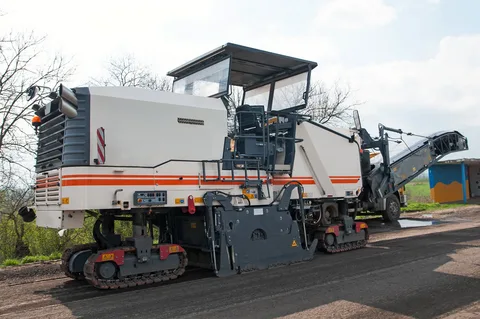
Asphalt milling machines are essential tools in road construction and maintenance. They play a vital role in resurfacing roads, improving safety, and prolonging the lifespan of asphalt surfaces. With the rise in road maintenance needs, understanding how these machines work can provide insight into their importance in modern infrastructure projects.
1. What Is an Asphalt Milling Machine?
An asphalt milling machine, also known as a cold planer or pavement planer, is a heavy-duty piece of equipment used to remove layers of asphalt or concrete from roadways. This process, known as milling, helps prepare the surface for new asphalt or repairs by removing damaged or deteriorated layers.
Milling machines are equipped with a rotating drum covered with sharp cutting teeth. These teeth grind and remove the asphalt, leaving a smooth and even surface behind. The removed material, known as “milled asphalt” or RAP (Reclaimed Asphalt Pavement), can often be recycled for future projects.
2. Components of an Asphalt Milling Machine
The main components of an asphalt milling machine include:
- Rotating Drum: The centerpiece of the machine, responsible for cutting and grinding asphalt.
- Cutting Teeth: Attached to the drum, these sharp tools remove layers of asphalt.
- Conveyor System: Transfers the milled asphalt to a dump truck or storage area.
- Control Panel: Allows the operator to control milling depth, speed, and other parameters.
- Tracks or Wheels: Provide mobility and stability to the machine on the worksite.
Each of these components works together to ensure the efficient removal and collection of asphalt during road projects.
3. How Does an Asphalt Milling Machine Work?
The asphalt milling process can be broken down into the following steps:
- Positioning the Machine: The milling machine is positioned over the section of the road that requires resurfacing.
- Adjusting Milling Depth: The operator sets the depth to remove the desired layer of asphalt, usually between 1 to 4 inches.
- Engaging the Drum: The drum, equipped with cutting teeth, begins to rotate, grinding away the asphalt.
- Collecting Milled Asphalt: The conveyor system transfers the milled material to a waiting truck or storage area.
- Finishing the Surface: The machine leaves behind a clean, textured surface, ready for resurfacing or repair.
Modern machines often come with GPS systems and advanced controls, ensuring precision and efficiency during milling.
4. Applications of Asphalt Milling Machines
Asphalt milling machines are used in various applications, including:
- Road Resurfacing: Preparing damaged roads for new asphalt layers.
- Repairing Potholes: Removing broken sections to ensure a smooth patchwork.
- Parking Lot Maintenance: Milling uneven or cracked parking lots.
- Recycling Asphalt: Collecting old asphalt for reuse in new paving projects.
These machines are versatile and play a crucial role in maintaining smooth and safe roadways.
5. Benefits of Using Asphalt Milling Machines
Investing in and using asphalt milling machines offer several benefits:
- Cost-Efficiency: Milling allows for partial removal of asphalt instead of full replacement, reducing costs.
- Recycling Capabilities: Milled asphalt can be recycled, minimizing waste and environmental impact.
- Improved Surface Quality: The process creates a level base for new asphalt, enhancing road durability.
- Reduced Construction Time: Milling is faster than complete removal, minimizing disruptions to traffic.
- Precision: Advanced technology ensures precise removal, reducing material waste.
6. Types of Asphalt Milling Machines
There are different types of asphalt milling machines to suit various project requirements:
- Small Walk-Behind Milling Machines: Ideal for small areas like parking lots and sidewalks.
- Compact Milling Machines: Used for narrower roads and urban projects.
- Large Milling Machines: Suitable for highways and large-scale projects requiring high productivity.
Choosing the right type depends on the project’s scope, location, and budget.
7. Safety Tips for Operating Asphalt Milling Machines
Operating an asphalt milling machine requires adherence to safety protocols:
- Wear Protective Gear: Operators should wear helmets, gloves, goggles, and ear protection.
- Inspect Equipment: Regularly check the machine for wear and tear, especially the cutting teeth.
- Maintain a Safe Distance: Ensure workers and pedestrians maintain a safe distance during milling operations.
- Follow Manufacturer Guidelines: Operate the machine within the recommended parameters to avoid accidents.
8. Advances in Asphalt Milling Technology
Modern asphalt milling machines incorporate advanced features like:
- Automated Depth Control: Ensures consistent milling depth for improved precision.
- Dust Suppression Systems: Reduces airborne dust for safer work environments.
- GPS Integration: Improves accuracy and efficiency during large-scale projects.
- Energy Efficiency: Newer models are designed to reduce fuel consumption and emissions.
These innovations enhance the performance, safety, and sustainability of asphalt milling machines.
Conclusion:
Asphalt milling machines are indispensable tools for maintaining and improving road infrastructure. They provide an efficient, cost-effective, and environmentally friendly way to remove and recycle asphalt, ensuring roads remain safe and durable. With technological advancements, these machines continue to evolve, offering greater precision and productivity. For any business or government entity involved in roadwork, investing in or hiring an asphalt milling machine is a smart decision that yields long-term benefits.
FAQs:
Q1: What is the primary purpose of an asphalt milling machine?
The primary purpose is to remove damaged or deteriorated layers of asphalt to prepare the surface for resurfacing or repairs.
Q2: How long does the milling process take?
The time required depends on the project’s size and scope. Small sections can be milled in a few hours, while larger highways may take several days.
Q3: Can the removed asphalt be reused?
Yes, the milled asphalt can be recycled and used in new paving projects, making it an eco-friendly process.
Q4: What factors influence the cost of asphalt milling?
Factors include the size of the area, milling depth, type of machine, and project location.
Q5: Are milling machines only used for roads?
No, they are also used for parking lots, airport runways, and other asphalt surfaces.