
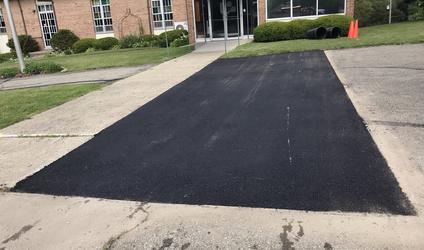
Damaged, uneven, or deteriorating asphalt can create problems for driveways, parking lots, roads, and other paved surfaces. Cracks, potholes, rutting, surface wear, and drainage issues can make an asphalt area uncomfortable to drive on and more expensive to maintain over time. Asphalt milling is an effective solution that removes the damaged surface layer while preparing the area for a new, smooth pavement surface.
What Is Asphalt Milling?
Asphalt milling is the process of removing a selected layer of existing asphalt using specialized milling equipment. The machine grinds and removes the worn pavement to a controlled depth without necessarily removing the entire pavement structure.
The depth of milling depends on the condition of the asphalt and the requirements of the project. Contractors may remove only the top surface layer or mill deeper areas where significant deterioration has occurred.
Once the damaged asphalt is removed, the surface can be inspected, repaired, graded, and prepared for new asphalt installation.
When Is Asphalt Milling Needed?
Several pavement problems may indicate that milling is appropriate. Common situations include:
- Cracked and deteriorating asphalt surfaces
- Uneven pavement or surface depressions
- Ruts caused by repeated traffic
- Worn or damaged parking lots
- Poor surface drainage
- Excessively high pavement elevations
- Damaged asphalt that needs resurfacing
- Uneven transitions between existing and new pavement
Milling can be particularly useful when the underlying pavement structure is still suitable for reuse but the existing surface has become damaged or uneven.
How Does Asphalt Milling Work?
The asphalt milling process generally begins with an inspection of the pavement. A contractor evaluates the surface condition, identifies damaged areas, and determines the appropriate milling depth.
Specialized milling equipment then removes the selected asphalt layer. The machine uses rotating cutting drums to grind the pavement and remove material evenly across the designated area.
After milling, the surface is cleaned and inspected. Any remaining damaged sections or weak areas can be repaired before new asphalt is installed.
Depending on the project, the milled asphalt may then be recycled or transported away. The prepared surface provides a better foundation for asphalt resurfacing or other pavement improvements.
Benefits of Asphalt Milling
Improves Surface Condition
Milling removes worn, damaged, and uneven asphalt from the pavement surface. This helps create a cleaner and more consistent base for the next stage of the project.
Helps Prepare for Resurfacing
One of the most common uses of asphalt milling is preparing an existing pavement surface for an asphalt overlay. Removing the deteriorated top layer can help the new asphalt bond properly with the existing pavement.
Corrects Uneven Pavement
Ruts, bumps, and uneven elevations can make pavement uncomfortable and potentially hazardous. Milling allows contractors to correct surface levels and create a more consistent grade.
Helps Manage Drainage
Incorrect pavement elevations can contribute to standing water. Milling can be used as part of a larger pavement correction project to help establish appropriate slopes and drainage patterns.
Reduces Complete Pavement Removal
When the underlying pavement is structurally sound, milling can remove only the damaged portion rather than requiring complete excavation. This can reduce the amount of material that needs to be removed from the site.
Supports Asphalt Recycling
Milled asphalt, commonly known as reclaimed asphalt pavement, can often be processed and reused in pavement-related applications. This makes milling an important part of more resource-efficient asphalt projects.
Asphalt Milling vs. Complete Asphalt Removal
Asphalt milling and complete asphalt removal are not the same process. Milling generally removes a selected portion of the pavement surface, while full-depth removal involves taking out the asphalt and potentially underlying base materials.
Milling may be suitable when the existing pavement has a usable structural foundation but the surface needs rehabilitation. Full removal may be necessary when the pavement has extensive structural failure, unstable base material, or severe damage throughout the pavement system.
A professional pavement contractor can evaluate the existing conditions and determine which approach is appropriate.
Is Asphalt Milling Suitable for Every Pavement?
Not every pavement problem can be solv