
Asphalt surfaces, whether roads, driveways, or parking lots, endure constant wear and tear from traffic, weather, and aging. Over time, asphalt pavements can develop cracks, potholes, or uneven surfaces. When this happens, property owners and municipalities often face a choice: repair or replace. One of the most effective and sustainable solutions in modern road maintenance is asphalt milling. This blog explores what asphalt milling is, its benefits, the process involved, and why it’s a preferred solution for road maintenance projects.
What is Asphalt Milling?
Asphalt milling, also known as cold planing, rotomilling, or profiling, is the process of removing a layer of asphalt from a paved surface using specialized milling machines. Unlike full-depth removal or complete reconstruction, asphalt milling carefully removes only the damaged or worn portion of the pavement. After milling, a new layer of asphalt is applied, creating a smooth, durable surface.
Milling is an essential part of modern pavement maintenance because it preserves the existing base while providing a fresh surface for new asphalt, reducing costs and environmental impact.
Benefits of Asphalt Milling
- Cost-Effective
Asphalt milling is significantly cheaper than full road reconstruction. Since only the damaged layer is removed and reused, the process saves on materials, labor, and time. - Environmentally Friendly
The removed asphalt, also called millings, can be recycled and reused in new asphalt mixes. This reduces the need for virgin materials and minimizes waste, making milling an eco-friendly option. - Improved Surface Quality
Milling allows precise removal of surface imperfections, ensuring the new asphalt layer bonds well with the existing base. This results in a smoother, safer, and longer-lasting pavement. - Quick Project Completion
Asphalt milling is faster than traditional resurfacing or reconstruction. Road closures are minimized, making it ideal for urban areas or high-traffic locations. - Versatility
Milling can be used for various projects, from highways and streets to driveways and parking lots. It’s suitable for both residential and commercial applications.
The Asphalt Milling Process
The process of asphalt milling involves several key steps to ensure optimal results. Here’s a detailed look at how it works:
1. Site Preparation
Before milling begins, the area must be cleared of obstacles such as signs, curbs, and drainage covers. Contractors often mark areas requiring extra attention to address uneven or heavily damaged spots.
2. Milling Machine Operation
A specialized milling machine, also known as a cold planer, is used to remove the top layer of asphalt. These machines have rotating drums with carbide-tipped teeth that grind and remove asphalt with precision.
Operators can adjust the depth of milling, which typically ranges from 1 to 4 inches depending on the project requirements. Modern machines also allow for variable-width milling, accommodating both small driveways and multi-lane highways.
3. Asphalt Removal and Collection
The milled asphalt is collected by conveyors attached to the milling machine and loaded into trucks for transport. The collected material can be recycled, crushed, and incorporated into new asphalt mixes.
4. Surface Cleaning
After milling, the surface is cleaned to remove debris and dust. A clean surface ensures proper bonding for the new asphalt layer.
5. Asphalt Resurfacing
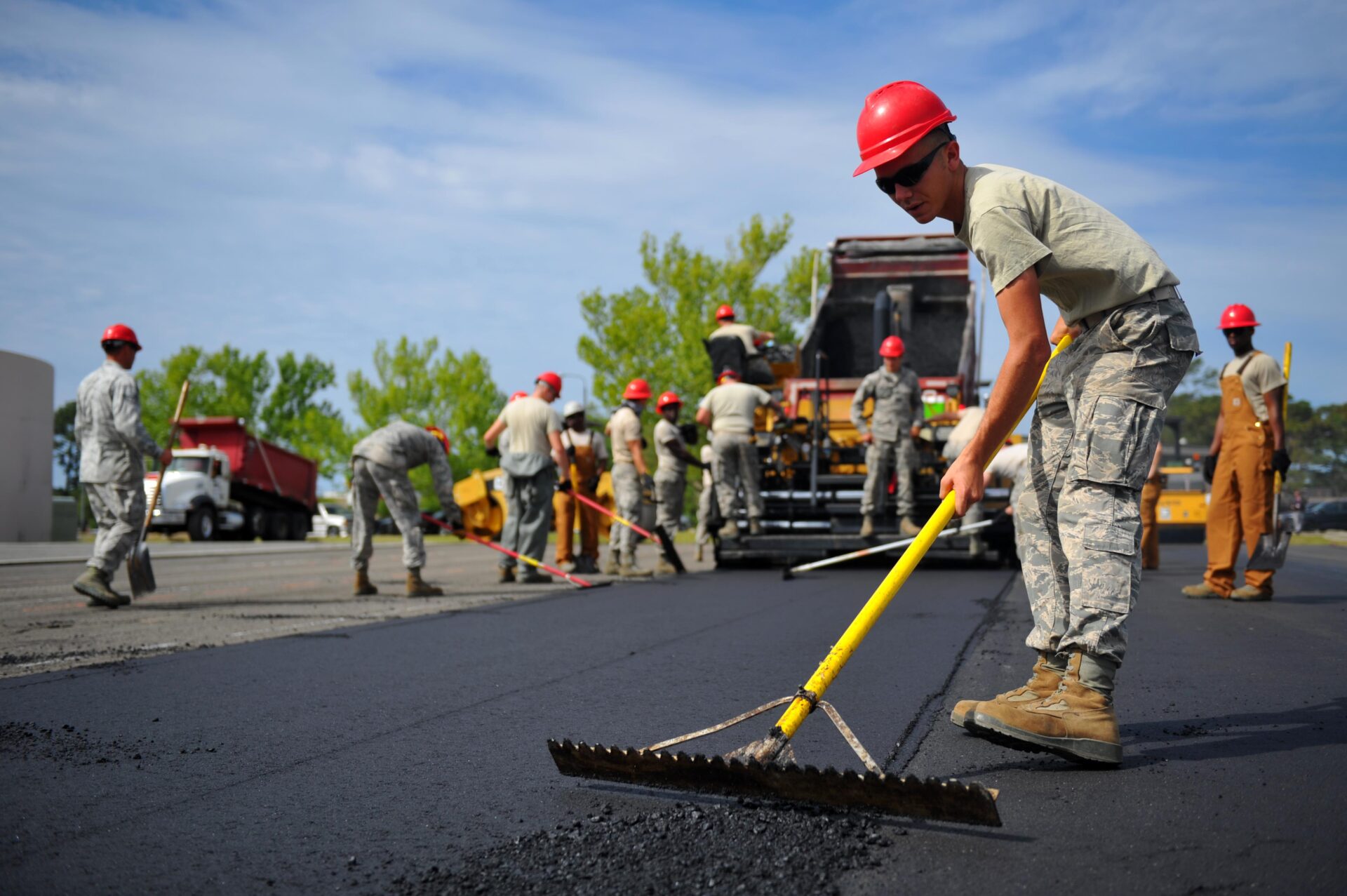
Once the surface is prepared, a new layer of asphalt is applied and compacted using rollers. This step restores smoothness, improves safety, and extends the pavement’s lifespan.
Applications of Asphalt Milling
Asphalt milling has a wide range of applications in road and property maintenance:
- Road Rehabilitation
Municipalities often use milling to maintain highways, city streets, and bridges. Milling removes the damaged surface layer, allowing for a new layer of asphalt that improves ride quality and safety. - Parking Lots and Driveways
Commercial and residential properties benefit from milling by fixing cracks, potholes, and uneven surfaces. It’s a cost-effective solution to upgrade old asphalt surfaces without complete reconstruction. - Bike Paths and Sidewalks
Smaller milling machines can handle pedestrian paths, bike trails, and sidewalks. This helps improve accessibility and safety while maintaining aesthetics. - Recycling Asphalt
Asphalt millings are valuable for reuse in projects like base material for roads, patching potholes, or even landscaping. This makes milling a sustainable choice for property owners and governments.
Choosing the Right Asphalt Milling Contractor
Selecting a skilled contractor is crucial for a successful milling project. Here’s what to consider:
- Experience: Look for contractors with a proven track record in asphalt milling projects. Experienced operators ensure precision and efficiency.
- Equipment Quality: Modern, well-maintained milling machines provide smoother results and minimize project delays.
- Recycling Options: Contractors who recycle millings demonstrate environmental responsibility and cost savings.
- Project Support: A reliable contractor offers consultation, planning, and proper execution to meet project goals on time and within budget.
Common FAQs About Asphalt Milling
1. How deep can asphalt milling go?
Typically, milling depth ranges from 1 to 4 inches. For thicker asphalt layers or severe damage, multiple passes may be required.
2. Is asphalt milling noisy?
Milling machines produce noise, but modern equipment and proper scheduling minimize disruption. Contractors usually plan work during off-peak hours to reduce impact.
3. Can milling fix all asphalt problems?
Milling addresses surface-level damage. For base failures or structural issues, additional repairs may be needed before resurfacing.
4. How long does a milling project take?
Project duration depends on the size and complexity. Small driveways may take a day, while highways can take several days. Proper planning ensures minimal traffic disruption.
5. Can milled asphalt be reused?
Yes, recycled millings can be incorporated into new asphalt mixes, used for patching, or as base material for roads. Recycling reduces waste and project costs.
Conclusion
Asphalt milling is an innovative, cost-effective, and environmentally responsible solution for maintaining and resurfacing asphalt pavements. From roads and highways to driveways and parking lots, milling offers precision, speed, and durability. By carefully removing the damaged layer and resurfacing with new asphalt, property owners and municipalities can extend pavement life, enhance safety, and reduce long-term costs.
Whether you’re a homeowner looking to restore your driveway or a municipality maintaining busy city streets, asphalt milling provides a practical solution that balances performance, efficiency, and sustainability. Investing in professional milling services ensures a smooth, durable, and attractive asphalt surface that can withstand the demands of traffic and time.