
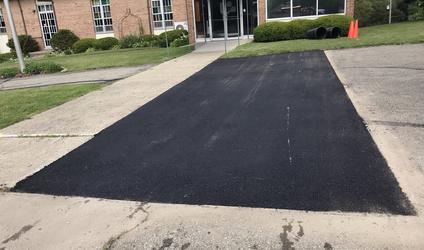
Asphalt design and construction play an important role in creating durable, smooth, and reliable surfaces for roads, parking lots, driveways, and commercial properties. A properly designed asphalt surface improves safety, supports heavy traffic, and helps property owners reduce long-term maintenance costs. From planning and site preparation to paving and finishing, every step contributes to the performance and lifespan of the pavement.
Whether you are developing a commercial property or upgrading an existing parking lot, choosing professional asphalt design and construction services can help you achieve a strong, functional, and long-lasting surface.
What Is Asphalt Design and Construction?
Asphalt design and construction involve planning, preparing, and installing asphalt pavement according to the specific needs of a property. The process considers factors such as traffic volume, soil conditions, drainage, pavement thickness, and the type of vehicles using the surface.
For example, a residential driveway may require a different pavement structure than a busy commercial parking lot used by delivery trucks. Professional contractors evaluate these requirements before recommending an appropriate asphalt solution.
A well-planned project helps prevent common problems such as premature cracking, potholes, uneven surfaces, and standing water.
Why Proper Asphalt Design Matters
Proper asphalt design is essential for creating pavement that can withstand daily use and changing weather conditions. Without adequate planning, even newly installed asphalt can develop problems that require expensive repairs.
Here are several benefits of professional asphalt design:
1. Improved Pavement Durability
A properly designed asphalt surface can handle regular traffic and appropriate vehicle loads. Contractors consider the expected traffic, soil stability, and required pavement layers to build a suitable foundation.
This preparation helps reduce premature pavement failure and supports long-term performance.
2. Better Drainage
Water is one of the major causes of asphalt pavement deterioration. When water collects on the surface or enters cracks, it can weaken the underlying materials and contribute to potholes.
Professional asphalt construction includes proper grading and drainage planning to direct water away from the pavement whenever possible.
3. Enhanced Safety
Smooth, stable pavement provides a better driving and walking experience. Proper grading, surface finishing, and clearly marked parking spaces can improve traffic flow and reduce potential hazards for drivers and pedestrians.
4. Lower Long-Term Maintenance Costs
Investing in quality materials and proper construction can reduce the frequency of repairs. Although the initial project cost depends on several factors, a well-built asphalt surface may offer better long-term value than pavement that requires repeated corrective work.
Key Steps in Asphalt Construction
A successful asphalt project requires careful attention throughout the construction process. Each stage helps establish a stable foundation and a reliable finished surface.
Step 1: Site Evaluation and Planning
The first step is evaluating the project location. Contractors assess the existing surface, soil conditions, drainage requirements, site dimensions, and expected traffic.
This information helps determine the appropriate construction method, material requirements, and project scope. Careful planning also helps identify potential challenges before construction begins.
Step 2: Excavation and Site Preparation
Depending on the project, the existing pavement or unsuitable soil may need to be removed. The site is then graded and prepared to create a stable base.
Proper site preparation is essential because a weak or uneven foundation can cause settlement, cracking, and other pavement problems.
Step 3: Base Installation
A suitable aggregate base is installed and compacted according to the project’s design. The base distributes vehicle loads and provides structural support for the asphalt layers.
The required base thickness depends on soil conditions, drainage, traffic demands, and engineering specifications.
Step 4: Asphalt Paving
Once the foundation is ready, hot-mix asphalt is placed using appropriate paving equipment. Contractors distribute the material evenly to achieve the planned thickness and surface profile.
Consistent placement and proper temperature control help support a quality installation.
Step 5: Compaction and Finishing
Compaction is a critical stage in asphalt construction. Rollers are used to achieve the required density while the asphalt remains within a suitable temperature range.
Contractors also inspect edges, transitions, slopes, and surface consistency to help ensure the finished pavement meets project requirements.
Step 6: Final Inspection
The completed surface should be inspected for drainage, smoothness, visible defects, and construction quality. Parking lot projects may also require striping, signage, or other finishing work before o