
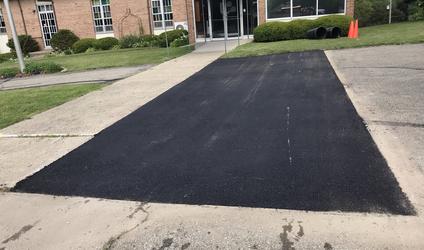
Asphalt design and construction play a major role in modern infrastructure development. From highways and parking lots to residential driveways and commercial roadways, asphalt provides a strong, cost-effective, and reliable paving solution. Proper asphalt design ensures long-lasting performance, while professional construction techniques improve safety, durability, and appearance. Whether for residential, commercial, or industrial projects, asphalt remains one of the most widely used paving materials because of its flexibility, affordability, and smooth finish.
What Is Asphalt Design and Construction?
Asphalt design and construction involve the planning, engineering, preparation, and installation of asphalt pavement surfaces. The process includes selecting the right asphalt mixture, preparing the foundation, ensuring proper drainage, and applying the pavement with precision. A well-designed asphalt surface can withstand heavy traffic, changing weather conditions, and long-term wear.
The construction process requires experienced contractors who understand grading, compaction, load distribution, and material performance. Proper planning helps reduce future repairs, maintenance costs, and structural failures.
Importance of Proper Asphalt Design
A successful asphalt project begins with proper design. Without accurate planning and engineering, pavement surfaces may crack, settle, or deteriorate quickly. Asphalt design focuses on several important factors, including:
Traffic Load Analysis
The expected traffic volume determines the thickness and strength of the asphalt pavement. Residential driveways require lighter materials than commercial parking lots or highways that carry heavy trucks daily.
Soil Evaluation
The condition of the subgrade soil directly impacts pavement performance. Weak or unstable soil can lead to sinking, potholes, and cracks. Contractors often test the soil before beginning construction to ensure stability.
Drainage Planning
Water is one of the biggest threats to asphalt surfaces. Proper drainage systems prevent water accumulation that can weaken the pavement foundation and cause structural damage over time.
Climate Considerations
Temperature changes affect asphalt expansion and contraction. Engineers choose asphalt mixtures based on local weather conditions to improve flexibility and durability.
The Asphalt Construction Process
Professional asphalt construction follows a step-by-step process to ensure a smooth and durable surface.
Site Preparation
The first step involves clearing the area of debris, vegetation, and old pavement. Contractors grade the surface to create the correct slope for drainage and prepare the ground for construction.
Proper site preparation is essential because uneven or unstable surfaces can reduce the lifespan of the asphalt.
Subgrade and Base Installation
The subgrade acts as the foundation of the pavement system. Contractors compact the soil and install a strong aggregate base layer made of crushed stone or gravel. This layer supports the asphalt and distributes weight evenly.
A stable base improves structural integrity and prevents pavement movement or cracking.
Asphalt Mixing
Asphalt is created by combining aggregates such as sand, gravel, and crushed stone with bitumen, a petroleum-based binder. Different projects require different asphalt mixtures depending on traffic demands and environmental conditions.
Modern asphalt plants use advanced technology to produce high-quality mixes with consistent performance and durability.
Asphalt Paving
Hot asphalt mixture is transported to the construction site and spread evenly using paving equipment. Contractors carefully control thickness, temperature, and smoothness during installation.
Professional paving ensures a uniform surface that improves driving comfort and enhances appearance.
Compaction
After paving, heavy rollers compact the asphalt to remove air voids and strengthen the surface. Proper compaction is critical because poorly compacted asphalt can develop cracks, depressions, and premature damage.
Compaction also improves resistance to water infiltration and traffic stress.
Benefits of Asphalt Pavement
Asphalt offers several advantages that make it a preferred paving material for many construction projects.
Durability
Properly constructed asphalt surfaces can withstand heavy traffic and harsh weather conditions for many years. Routine maintenance further extends pavement lifespan.
Cost-Effectiveness
Compared to other paving materials, asphalt is affordable to install and maintain. Its quick construction process also reduces labor costs and project downtime.
Smooth Driving Surface
Asphalt provides a smooth and quiet ride, improving driving comfort and reducing vehicle wear.
Fast Installation
Asphalt projects can often be completed quickly, allowing roads, driveways, and parking lots to reopen sooner.
Easy Maintenance
Cracks, potholes, and surface wear can be repaired efficiently without replacing the entire pavement.
Recyclability
Asphalt is one of the most recycled construction materials in the world. Reclaimed asphalt pavement can be reused in new projects, reducing waste and supporting environmental sustainability.
Common Asphalt Applications
Asphalt design and construction are used in a wide range of projects, including:
- Residential driveways
- Commercial parking lots
- Public roads and highways
- Airport runways
- Industrial facilities
- Walking trails and bike paths
- Sports courts and recreational areas
Each application requires specialized design techniques to meet specific performance requirements.
Importance of Asphalt Maintenance
Even high-quality asphalt surfaces require routine maintenance to maximize lifespan and performance. Preventive maintenance helps identify small problems before they become costly repairs.
Sealcoating
Sealcoating protects asphalt from UV rays, water penetration, oil spills, and oxidation. It also restores the dark, clean appearance of the pavement.
Crack Filling
Small cracks allow water to enter the pavement structure, leading to larger problems. Crack filling prevents moisture damage and extends pavement life.
Pothole Repairs
Prompt pothole repairs improve safety and prevent further structural deterioration.
Resurfacing
Over time, asphalt surfaces may require resurfacing to restore smoothness and structural performance without complete replacement.
Innovations in Asphalt Technology
The asphalt industry continues to evolve with new technologies and sustainable practices.
Warm Mix Asphalt
Warm mix asphalt reduces production temperatures, lowering fuel consumption and emissions while improving worker safety.
Permeable Asphalt
Permeable asphalt allows water to drain through the pavement, reducing runoff and supporting environmentally friendly stormwater management.
Smart Pavement Systems
Modern technologies now include sensors and monitoring systems that help track pavement conditions and maintenance needs.
Recycled Materials
Many asphalt mixtures incorporate recycled materials to reduce environmental impact and construction costs.
Choosing the Right Asphalt Contractor
Hiring an experienced asphalt contractor is essential for achieving quality results. Professional contractors provide proper site evaluation, material selection, construction planning, and long-term maintenance support.
When selecting a contractor, property owners should consider:
- Experience and reputation
- Licensing and insurance
- Quality of materials
- Equipment and technology
- Customer reviews
- Warranty options
A skilled contractor ensures the project meets safety standards, budget requirements, and long-term performance goals.
Future of Asphalt Design and Construction
As cities continue to grow and transportation demands increase, asphalt design and construction will remain essential for infrastructure development. Advances in engineering, recycling, and sustainable materials are helping create stronger and more environmentally responsible pavement systems.
Future asphalt projects will focus on improving durability, reducing environmental impact, and enhancing roadway safety through innovative materials and smart construction techniques.
Conclusion
Asphalt design and construction are critical components of modern infrastructure. From residential driveways to major highways, properly designed asphalt surfaces provide durability, safety, and long-term value. The success of any asphalt project depends on careful planning, quality materials, professional installation, and regular maintenance.
With ongoing advancements in technology and sustainable construction methods, asphalt continues to be a reliable and cost-effective paving solution for residential, commercial, and industrial applications. Investing in professional asphalt construction ensures smooth, durable, and attractive surfaces that perform efficiently for years to come.