
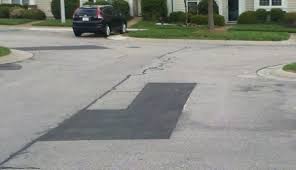
Asphalt pavement is a valuable investment for homeowners, business owners, and commercial property managers. Whether you have a residential driveway, a parking lot, or a commercial roadway, regular maintenance helps keep your asphalt surface safe, attractive, and durable. Two essential maintenance services are asphalt sealcoating and crack filling. These services protect pavement from weather damage, water penetration, and everyday wear while helping reduce costly repairs.
Understanding how asphalt sealcoating and crack filling work can help you maintain your pavement and get the most value from your investment.
What Is Asphalt Sealcoating?
Asphalt sealcoating is a protective treatment applied to the surface of existing asphalt pavement. Over time, exposure to sunlight, rain, snow, vehicle traffic, and changing temperatures causes asphalt to deteriorate. The surface may fade, become brittle, and lose some of its ability to resist moisture.
A quality asphalt sealcoat creates a protective layer that helps reduce damage caused by these environmental factors. It also restores a darker, cleaner appearance, making driveways and parking lots look well maintained.
Sealcoating is beneficial for residential driveways, commercial parking lots, private roads, and other asphalt surfaces. Regular maintenance can help slow pavement deterioration and extend the useful life of your asphalt.
Why Is Asphalt Crack Filling Important?
Cracks are one of the earliest signs of asphalt pavement deterioration. They can develop because of temperature changes, heavy traffic, aging materials, poor drainage, or movement in the underlying pavement.
Although small cracks may seem harmless, they can allow water to penetrate beneath the asphalt surface. During colder weather, trapped water may freeze and expand, making existing cracks larger. Over time, this damage can lead to potholes, uneven pavement, and more expensive repairs.
Asphalt crack filling helps prevent these p